Choosing the best baby nipples sounds simple until you’re standing in a store or scrolling online, overwhelmed by shapes, sizes, materials, and flow rates. The wrong nipple can cause fussiness, gas, milk leakage, or even nipple confusion. The right one? Smooth feedings, a happy baby, and peace of mind for you.
This in-depth guide breaks everything down from nipple materials and flow levels to top brands and safety tips so you can make a confident, informed decision.
What Are Baby Nipples and Why Do They Matter?
Baby nipples are the soft, flexible tops that attach to baby bottles. They control how milk or formula flows into your baby’s mouth and play a huge role in:
- Feeding comfort
- Digestion and gas prevention
- Latching and sucking development
- Transitioning between breast and bottle
A poorly designed nipple can frustrate your baby or cause overfeeding. That’s why choosing the right one is essential especially during the first year.
Types of Baby Nipples by Material
The first decision you’ll face is material. Each type has its own benefits.
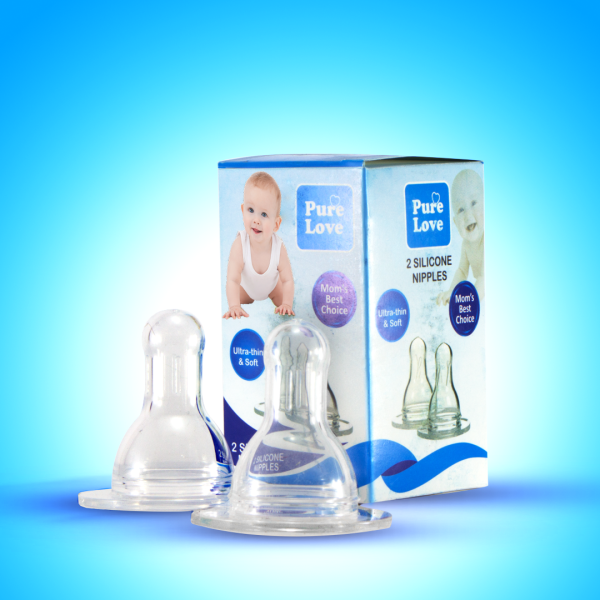
Silicone Baby Nipples
Silicone nipples are the most popular choice today and for good reason.
Benefits:
- Odorless and tasteless
- Durable and long-lasting
- Easy to clean and sterilize
- Maintain shape over time
Best for: Newborns, daily use, and parents who want low maintenance.
Latex (Rubber) Baby Nipples
Latex nipples feel softer and more flexible but come with trade-offs.
Benefits:
- Very soft and elastic
- Closer to a natural breast feel
Drawbacks:
- Wear out faster
- Can absorb odors
- Not suitable for latex-sensitive babies
Best for: Babies who prefer a very soft texture.
Baby Nipple Shapes Explained
Nipple shape directly affects how your baby latches and feeds.
Standard (Traditional) Nipples
These are straight and narrow.
Pros:
- Widely available
- Fit most bottles
Cons:
- Less natural latch for some babies
Wide-Neck Nipples
Designed to mimic the shape of a breast.
Pros:
- Better latch
- Ideal for breastfed babies
Cons:
- Require wide-neck bottles
Orthodontic Nipples
Flattened to support oral development.
Pros:
- Encourage natural tongue movement
- Reduce jaw pressure
Cons:
- Some babies need time to adjust
Baby Nipple Flow Rates (Very Important!)
Flow rate determines how fast milk comes out. Choosing the wrong flow can lead to choking or frustration.
| Flow Level | Age Range | Best For |
| Slow Flow (Stage 1) | 0–3 months | Newborns, breastfed babies |
| Medium Flow (Stage 2) | 3–6 months | Stronger suckers |
| Fast Flow (Stage 3) | 6+ months | Older babies |
| Variable Flow | All ages | Thick liquids or flexibility |
Pro tip: If milk drips without your baby sucking, the flow is too fast.
Best Baby Nipples for Different Needs
Not all babies are the same. Let’s match nipples to specific situations.
Best Baby Nipples for Breastfed Babies
Look for:
- Wide base
- Slow flow
- Soft silicone
These features help prevent nipple confusion and maintain breastfeeding.
Best Baby Nipples for Colic and Gas
Anti-colic nipples reduce air intake.
Key features:
- Venting systems
- Angled designs
- Controlled milk flow
Best Baby Nipples for Premature Babies
Premature babies need:
- Ultra-slow flow
- Soft, flexible material
- Smaller nipple size
Top Baby Nipple Brands Compared
Here’s a comparison table of trusted brands parents love.
| Brand | Material | Shape | Flow Options | Best For |
| Philips Avent | Silicone | Wide | Slow–Fast | Breastfed babies |
| Dr. Brown’s | Silicone | Standard | Preemie–Fast | Colic prevention |
| Tommee Tippee | Silicone | Wide | Variable | Natural latch |
| Medela | Silicone | Wide | Slow–Medium | Breastfeeding support |
| NUK | Silicone/Latex | Orthodontic | Multiple | Oral development |
How to Choose the Best Baby Nipple (Step-by-Step)
Feeling unsure? Follow this simple checklist:
- Check your baby’s age
- Choose the right flow rate
- Match nipple shape to feeding style
- Look for BPA-free materials
- Watch your baby’s response during feeding
Signs you need to switch nipples:
- Gagging or coughing
- Excessive gas
- Milk leaking from mouth
- Fussiness during feeds
Baby Nipple Safety and Hygiene Tips
Safety always comes first.
Cleaning and Sterilizing
- Wash after every use
- Sterilize for newborns (boiling or steam)
- Let air-dry completely
When to Replace Baby Nipples
Replace immediately if you notice:
- Cracks or tears
- Sticky texture
- Discoloration
- Increased milk flow
Most silicone nipples last 2–3 months with regular use.
Common Mistakes Parents Make
Avoid these common pitfalls:
- Moving to fast flow too early
- Ignoring baby’s feeding cues
- Using damaged nipples
- Mixing nipple types too often
Consistency helps babies feel secure during feeding.
Are Expensive Baby Nipples Worth It?
Not always. What matters most is:
- Proper flow
- Baby’s comfort
- Safety certifications
Many mid-range brands perform just as well as premium ones.
Environmental Considerations
If sustainability matters to you:
- Choose long-lasting silicone
- Avoid frequent replacements
- Buy from eco-conscious brands
Small choices add up over time.
Conclusion
Finding the best baby nipples doesn’t require guesswork, just the right information. Focus on material, shape, flow rate, and your baby’s unique needs. Watch how your baby feeds, trust the signs, and don’t hesitate to adjust as they grow.
The right nipple can transform feeding time from stressful to soothing—for both you and your baby.
FAQs
How many baby nipples do I need?
At least 6–8 nipples if you bottle-feed daily. This allows time for cleaning and replacement.
Can I use the same nipple for formula and breast milk?
Yes, as long as it’s cleaned properly between feeds.
How do I know if the nipple flow is too slow?
Your baby may suck hard, fall asleep during feeds, or take too long to finish a bottle.
Are silicone nipples safer than latex?
Yes. Silicone is more durable, hypoallergenic, and easier to sanitize.
When should I move to the next flow level?
Only when your baby shows signs of readiness never based on age alone.